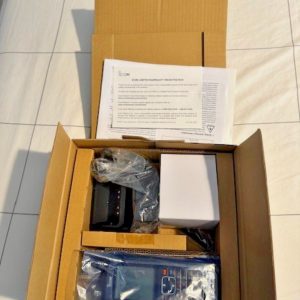
:::writingvariant="document" id="58314" ICOM IC-A25N Handheld NAV/COM Transceiver w/ Bluetooth – Open Box: Advanced Pilot Communication The ICOM IC-A25N Handheld NAV/COM Transceiver w/ Bluetooth – Open Box is a versatile communication and navigation device for pilots, flight instructors, aircraft operators, aviation students, and ground personnel who require dependable portable radio capability. A carefully inspected open-box package can offer the operational benefits of a premium handheld aviation radio while helping owners control equipment costs. The ICOM IC-A25N Handheld NAV is suitable for users who want portable access to communication and navigation-related functions during flight preparation, cockpit operations, instruction, emergency planning, or airport ground activities. The ICOM IC-A25N Aviation Radio offers portable flexibility for aircraft owners who do not want to rely exclusively on panel-mounted communication equipment. The ICOM IC-A25N Handheld Radio can serve private owners, instructors, students, aircraft dealers, mechanics, and airport staff who need communication away from a fixed cockpit installation. A capable Handheld NAV/COM Aviation Transceiver provides pilots with an integrated solution that can be stored conveniently and accessed quickly. Whether the intended use involves a Handheld Aviation Radio, Aviation NAV/COM Radio, Pilot Handheld Radio, or Aircraft Communication Radio, dependable battery and antenna performance remain important. The product can support pilots seeking a Portable Aviation Transceiver, Aviation Navigation Radio, ICOM Pilot Radio, or dependable Backup Aircraft Radio.
Why Pilots Choose the ICOM IC-A25N Handheld Radio
The radio’s portable construction allows it to support aircraft operations before departure, during flight, after landing, or while personnel are working around the airport. The IC-A25N may appeal to users who prioritize strong construction, straightforward operation, and access to aviation functions away from the instrument panel. Users should understand that portable-radio coverage can differ from panel-mounted equipment connected to an external aircraft antenna. Familiarity transforms a portable radio from stored equipment into a practical and dependable operational resource.Using the ICOM IC-A25N Handheld NAV
An ICOM IC-A25N Handheld NAV may help pilots monitor frequencies, organize flight-related information, and maintain portable communication capability. Private pilots may carry the device during cross-country flights, aircraft repositioning, fly-ins, or travel in rented airplanes. Pilots should verify information using suitable aviation references and avoid relying on one portable device for every navigation decision. Organized cockpit placement improves access while protecting the radio from impact, movement, moisture, and accidental activation.ICOM IC-A25N Aviation Radio Applications
The radio may be useful to pilots operating aircraft with limited avionics, temporary communication problems, or different cockpit configurations. The radio may also be useful at aviation events, remote airfields, flight schools, maintenance shops, aircraft demonstrations, and airport operations areas. A complete written inventory helps purchasers compare the open-box price with the cost of replacing missing accessories separately. An independent review may provide additional confidence when the radio cannot be examined in person.ICOM IC-A25N Handheld Radio Portability
A compact radio can remain in a flight bag alongside headsets, charts, flashlights, batteries, and other essential pilot equipment. A secure carrying arrangement can keep the radio accessible without allowing it to move around the cockpit during turbulence or abrupt maneuvering. Portability also allows the radio to be charged and configured away from the aircraft, helping pilots prepare frequencies and settings before entering the cockpit. Aircraft cabins and parked vehicles can reach temperatures that may affect batteries, displays, housings, and electronic components.Handheld NAV/COM Aviation Transceiver Applications
The integrated format can reduce the need to carry separate handheld receivers for several common aviation tasks. An open-box package may represent strong value when it includes the equipment required for immediate setup and normal use. The radio should be inspected before every important flight for battery charge, antenna security, control response, display condition, volume setting, and physical damage. Any abnormal heat, charging issue, intermittent audio, damaged control, loose connector, or battery swelling should be investigated before further operation.Maintaining a Handheld Aviation Radio
Portable radio access can improve operational flexibility when users move frequently between aircraft and aviation environments. A handheld unit is most valuable when charged, accessible, tested, and familiar to the pilot before it is required. A handheld radio should be evaluated in the aircraft and environment where it will normally be used. The device should not be used for casual or unnecessary transmissions that could interfere with operational communications.Choosing an Aviation NAV/COM Radio
A NAV/COM radio may support pilots who need backup communication while also valuing navigation-oriented information and operating flexibility. A portable radio should support cockpit management rather than add unnecessary workload. Pilots should maintain current charts, navigation planning, weather awareness, and suitable avionics for the flight being conducted. A structured preflight routine helps the Aviation NAV/COM Radio deliver reliable and practical support.Maintaining a Pilot Handheld Radio
A portable radio can remain with the pilot when changing aircraft, allowing consistent access to a familiar communication device. A belt clip, protective case, organized side pocket, or approved mounting arrangement may help secure the radio during flight. Emergency equipment is more useful when essential controls can be operated confidently without lengthy manual review. Pilots may consider carrying an appropriate backup power option when supported by the equipment and mission requirements.Aircraft Communication Radio Applications
An Aircraft Communication Radio supports communication between pilots, air traffic services, other aircraft, flight instructors, and authorized ground personnel. Headset and Bluetooth accessories should be tested for microphone quality and audio clarity before operational use. Understanding environmental limitations helps pilots choose the best practical location and operating method. Qualified repair or manufacturer-supported service may be appropriate for electronic problems that cannot be corrected through normal setup.Choosing a Portable Aviation Transceiver
A Portable Aviation Transceiver offers communication mobility for pilots and aviation professionals who are not always positioned inside a powered aircraft. The owner should keep the package organized so no essential component is missing when the radio is needed. Bluetooth capability can improve convenience by supporting compatible wireless audio arrangements and reducing the number of cables around the pilot or operating area. Bluetooth settings can be reviewed during preflight preparation and confirmed before the aircraft begins moving.Aviation Communication Device Applications
The ideal device balances functionality with an interface the user understands and can operate confidently. Transparent condition information allows the purchaser to judge whether the price reflects the package accurately. Professional users may maintain records of radio assignment, charging, inspections, damage, accessory inventory, and battery replacement. A radio configured for one headset or training environment may need adjustment before being issued for another application.Handheld Aircraft Radio Benefits
Ground teams may use appropriate handheld equipment during coordinated activities where aviation communication is required and authorized. The radio provides practical value wherever access to aviation communication is useful away from a powered instrument panel. Cockpit use requires secure storage and careful cable management so the radio does not interfere with flight controls, doors, seat adjustment, or emergency movement. Ramp and maintenance environments can expose portable electronics to contaminants that are less common in normal indoor storage.Maintaining an Aviation Navigation Radio
Navigation functions can add value during training, planning, route familiarization, and backup preparation when used appropriately. A demonstration or careful manual review can help users understand displays, menus, stored information, and navigation-related controls. Navigation information should be cross-checked with current aviation references and suitable cockpit equipment for the planned operation. Careful preparation allows an Aviation Navigation Radio to provide practical value without increasing cockpit workload unnecessarily.ICOM Pilot Radio Benefits
An ICOM Pilot Radio can appeal to aviation users who value an established communications manufacturer, aviation-focused controls, portable construction, and practical accessory support. A complete and well-documented package can be more valuable than a lower-priced unit missing essential equipment. Buyers should compare the offered radio with their headset, Bluetooth devices, aircraft environment, charging resources, and expected operating frequency. A protective case and consistent charging routine can help preserve the equipment and prevent missing accessories.Choosing an Emergency Aviation Radio
Emergency value depends on the radio being charged, accessible, configured, and familiar to the pilot before a problem occurs. The pilot should understand how portable-radio range may differ from normal aircraft communication website equipment. Redundancy is strongest when the user has more than one practical method of hearing and transmitting with the device. Emergency equipment checks can be scheduled with annual inspections, proficiency reviews, seasonal preparation, or flight-bag audits.Using a Backup Aircraft Radio
Backup equipment can be particularly valuable during cross-country operations, aircraft delivery, training, rental flying, or travel in older aircraft. A dependable backup radio is the result of consistent preparation rather than the assumption that unused equipment remains ready. A simple and familiar arrangement is generally more useful during an abnormal situation than a complicated setup that has not been practiced. Pilots should use clear, concise communication and follow appropriate procedures for the situation and operating environment.Open-Box ICOM IC-A25N Purchase Checklist
The display should illuminate correctly and remain free from major damage, unreadable sections, or unexplained visual problems. Missing accessories can increase final cost and may prevent the radio from being used as expected immediately after delivery. The Bluetooth system should be checked for pairing, audio routing, connection stability, and compatibility with supported equipment. The buyer should inspect the radio promptly after delivery and report any missing items, damage, or functional concerns according to the agreed terms.Routine Care for a Handheld Aviation Radio
Long-term reliability depends on battery care, protected storage, correct charging, careful antenna handling, clean connectors, updated familiarity, and prompt attention to operating concerns. Any change in audio, charging, battery life, control response, display quality, Bluetooth operation, or power stability should be investigated.- Inspect the radio body, display, antenna, battery, charger, controls, connectors, clips, cables, and included accessories before important operations.
- Verify frequency settings, memory organization, Bluetooth pairing, audio routing, volume, squelch, navigation functions, and battery status during preflight preparation.
- Store the radio, battery, charger, antenna, adapters, and documentation in a dry, organized, protected location after use.